CADBench: A Multimodal Benchmark for AI-Assisted CAD Program Generation
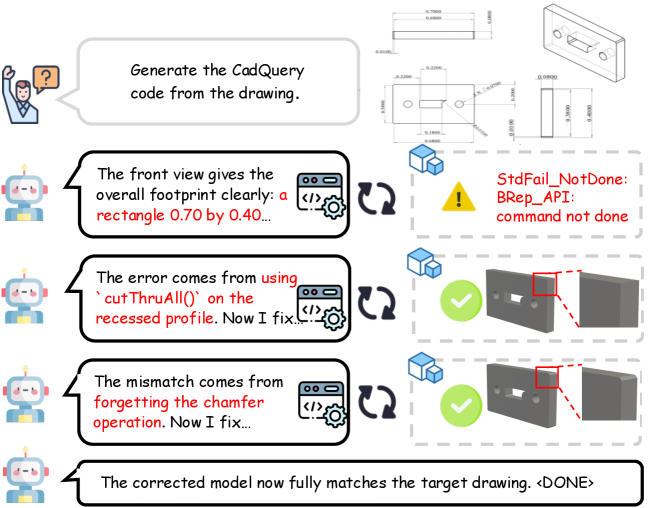
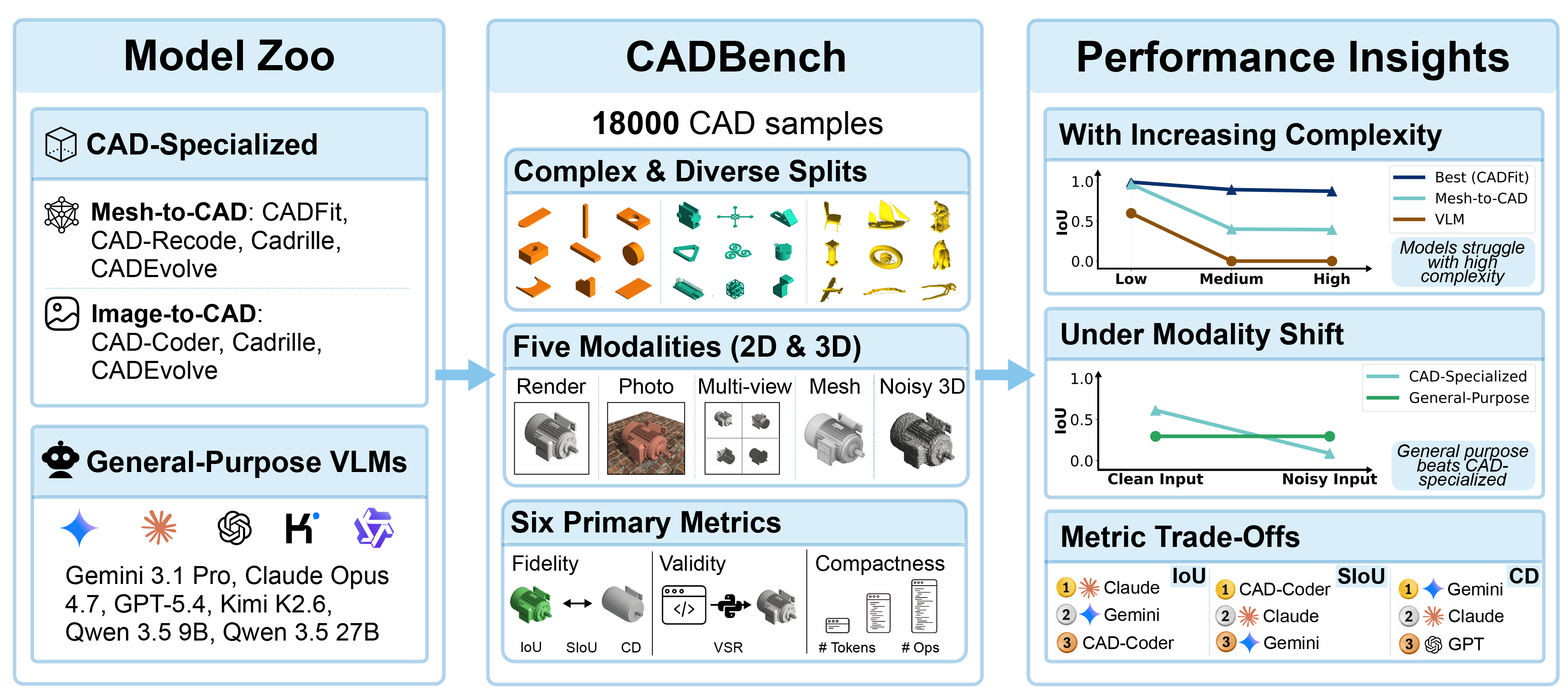
CADBench is a unified multimodal benchmark for evaluating AI-assisted CAD program generation from images and 3D data, covering 18,000 samples, five modalities, and six metrics.
Research index
Automatically collected and categorized papers from arXiv, upstream awesome lists, and other research sources.
CADBench is a unified multimodal benchmark for evaluating AI-assisted CAD program generation from images and 3D data, covering 18,000 samples, five modalities, and six metrics.
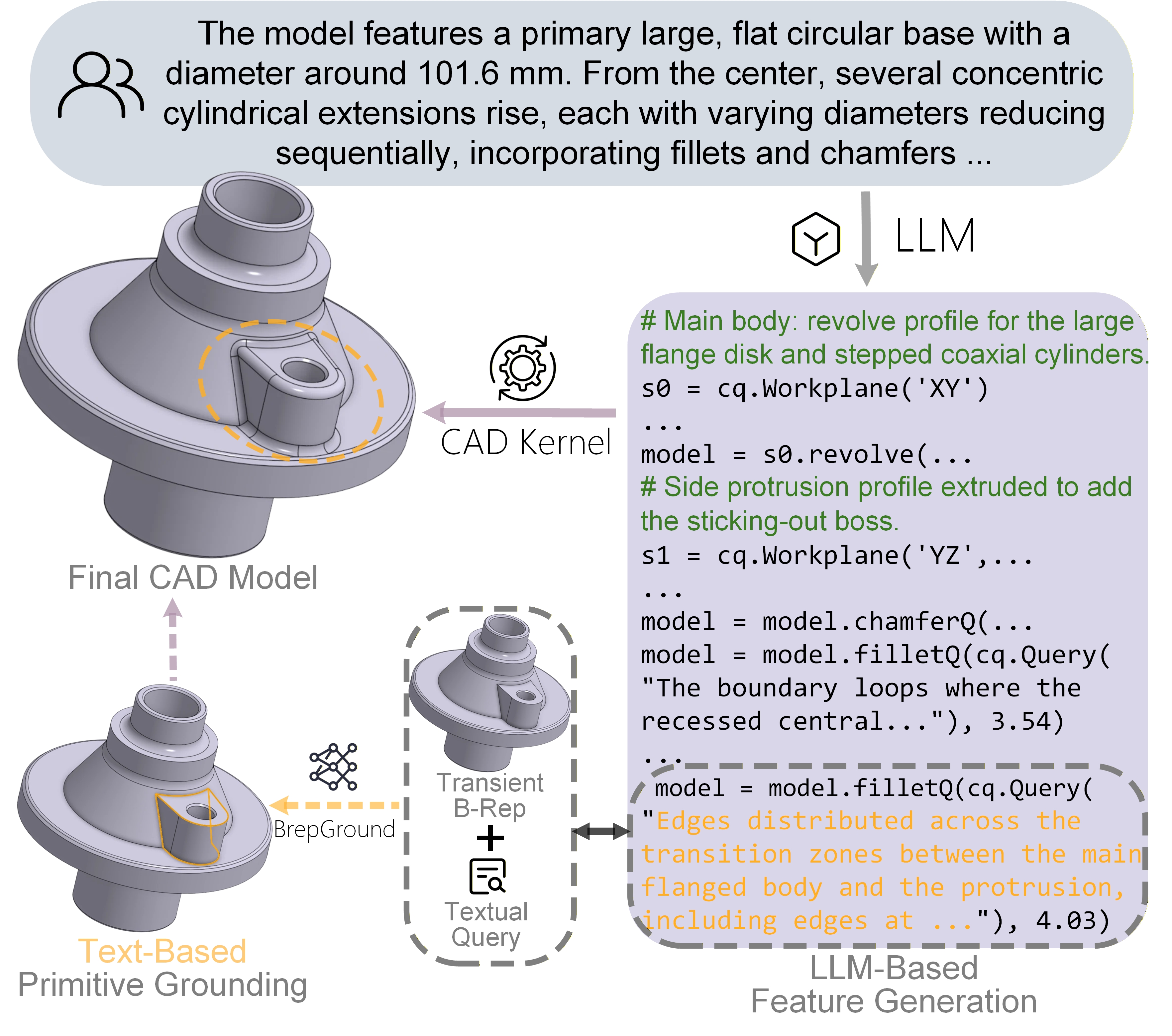
FutureCAD uses LLMs and B-Rep grounding to generate high-fidelity CAD scripts from text, achieving state-of-the-art performance with a real-world dataset.
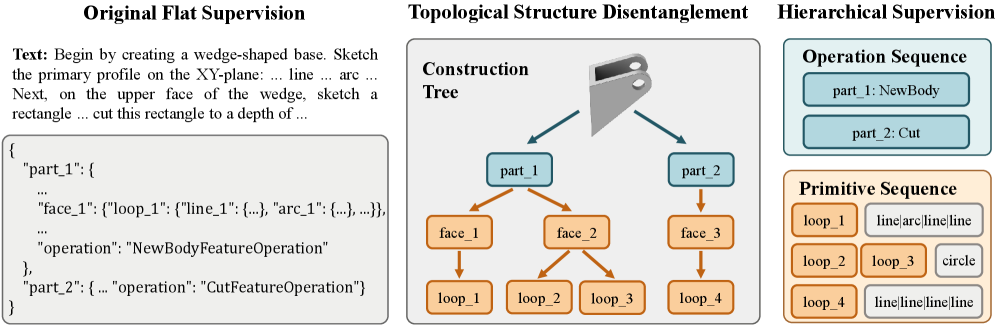
Hierarchical text-to-CAD framework using structure alignment and parameter grounding for improved structural consistency and parameter accuracy.
CADFit uses hybrid optimization to recover editable parametric CAD construction sequences from meshes, outperforming existing methods in accuracy and validity.
MUSE is a benchmark for Text-to-CAD generation that evaluates manufacturability, functionality, and assemblability of B-Rep assemblies using a VLM judge.
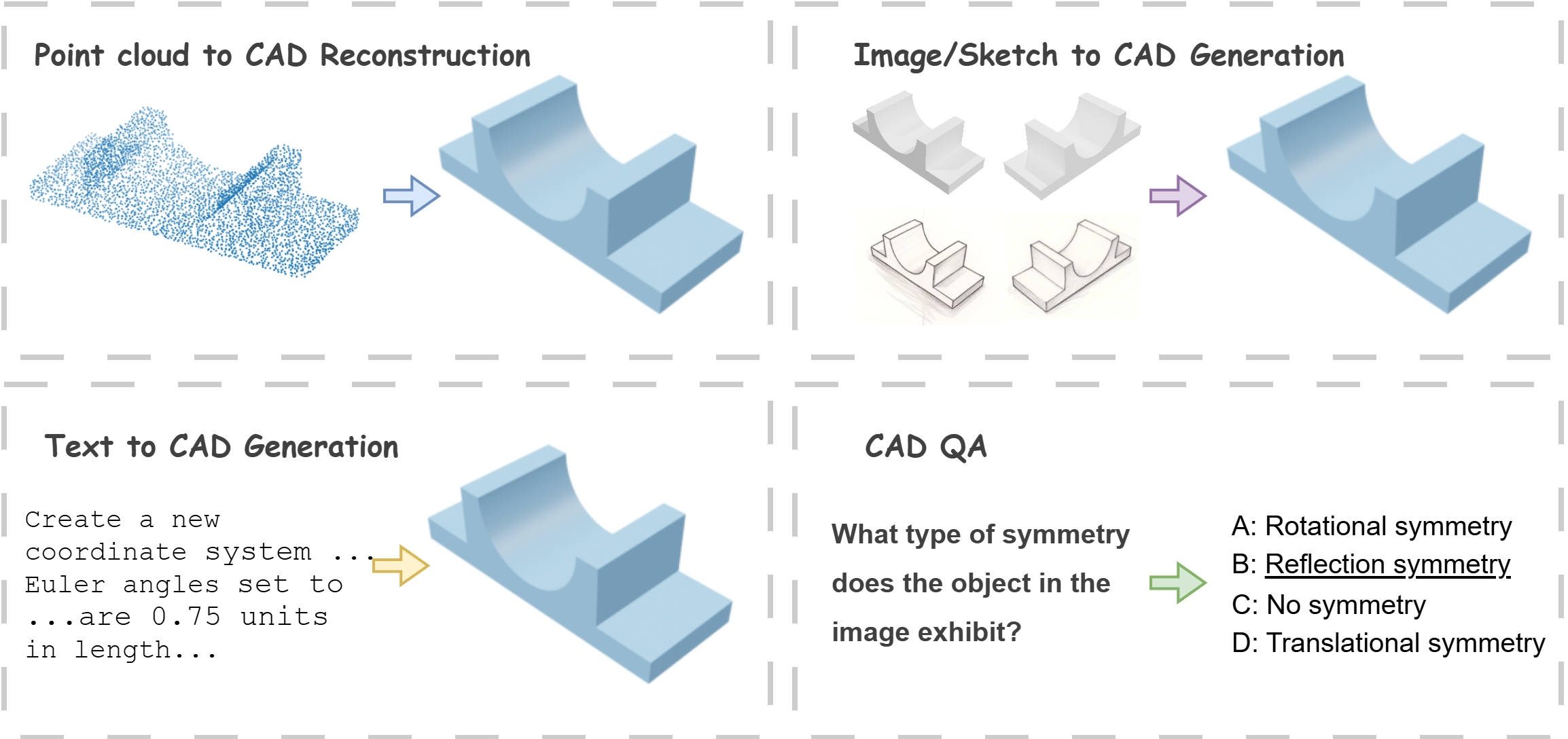
UniCAD introduces a unified benchmark and a multi-modal large language model for diverse CAD tasks, achieving state-of-the-art results.
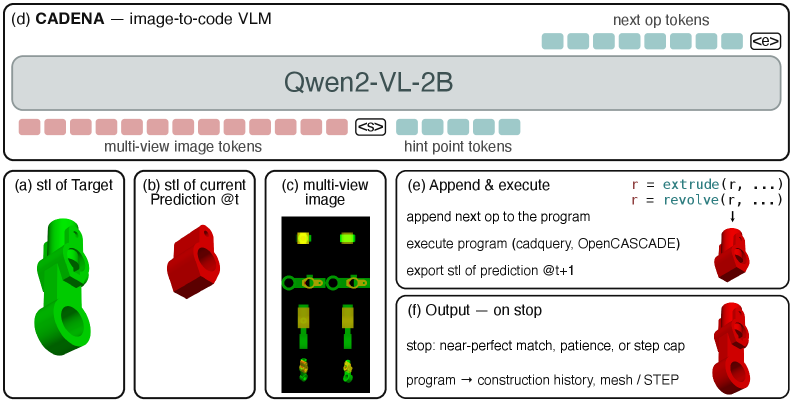
Introduces CADENA, a stepwise CAD reverse engineering model that reconstructs 3D meshes into parametric CAD programs, outperforming prior methods on multiple benchmarks.
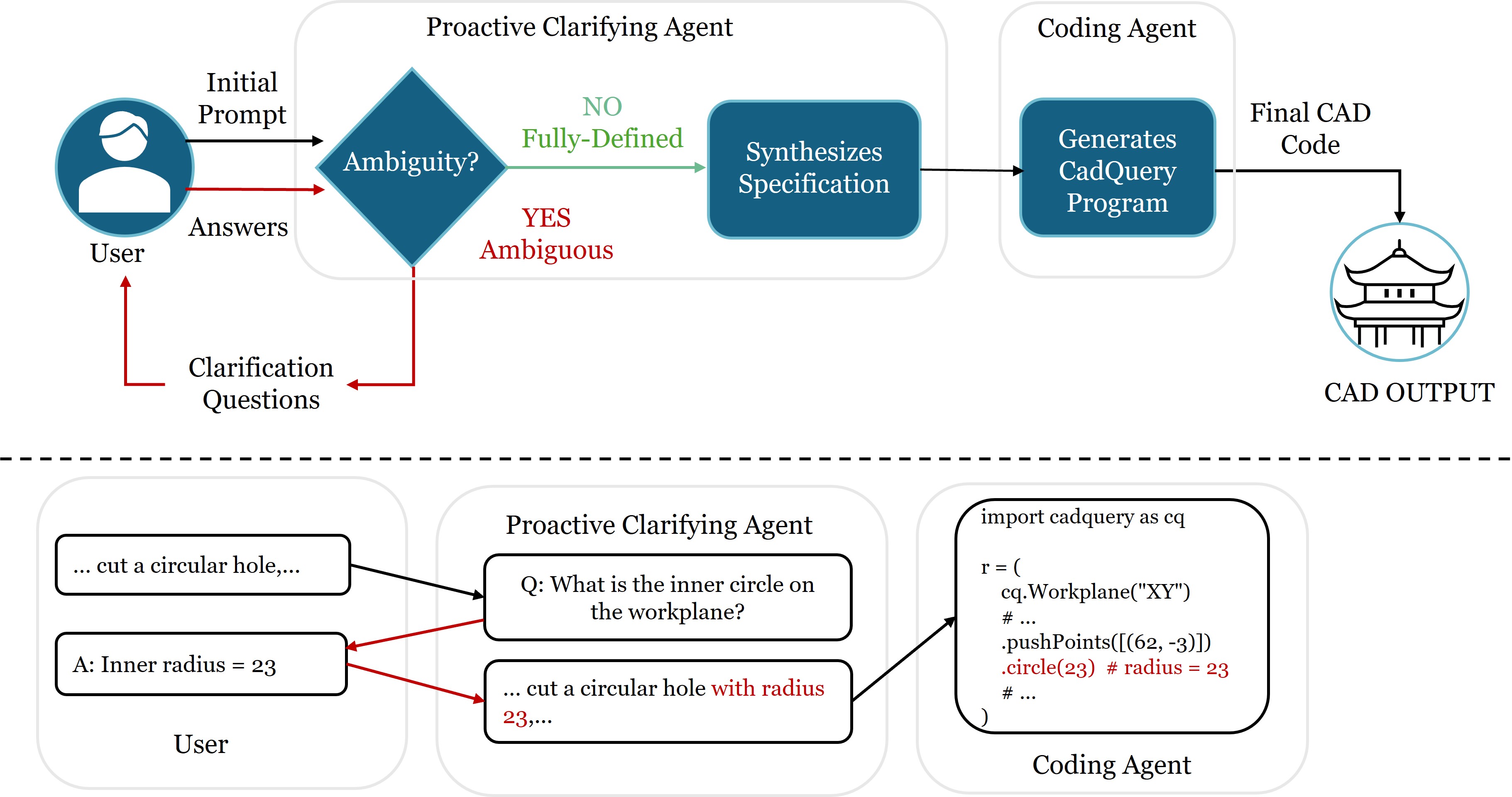
ProCAD proactively clarifies ambiguous text prompts before generating parametric CAD programs, improving robustness and reducing errors.
Mamba-CAD uses a state space model for self-supervised generative modeling of long parametric CAD sequences, with a new dataset of 77,078 models.
DreamCAD generates editable BReps from point-level supervision using differentiable parametric surfaces, achieving multi-modal CAD generation with state-of-the-art results.
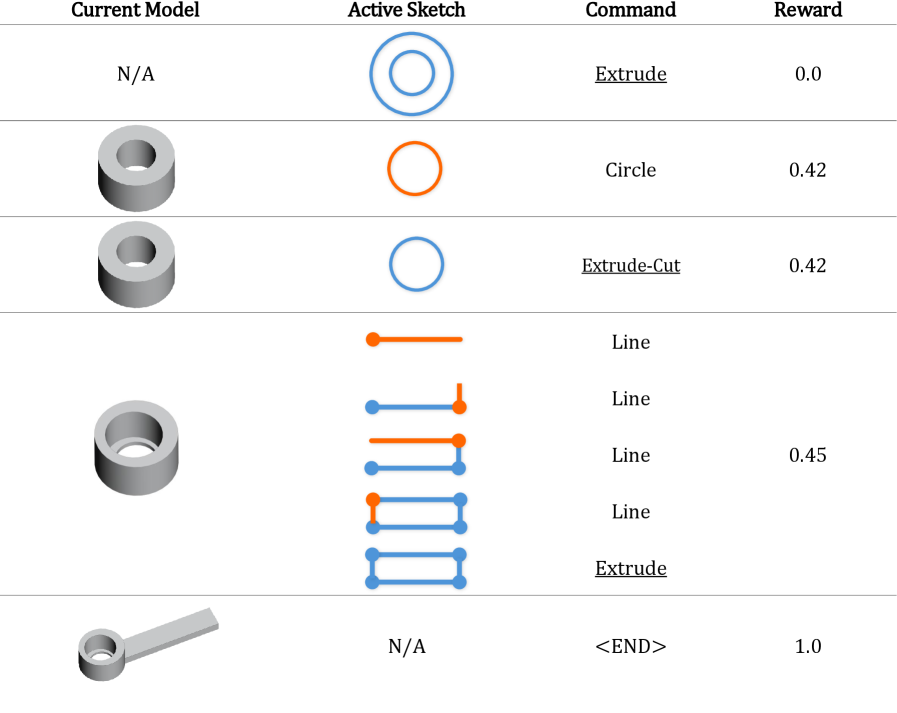
SOV-CAD uses stepwise orthographic views and offline reinforcement learning to reconstruct CAD modeling sequences from images, outperforming prior methods.
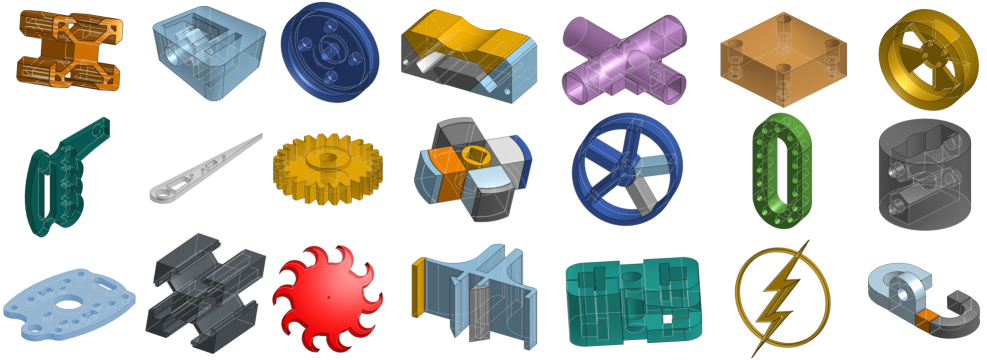
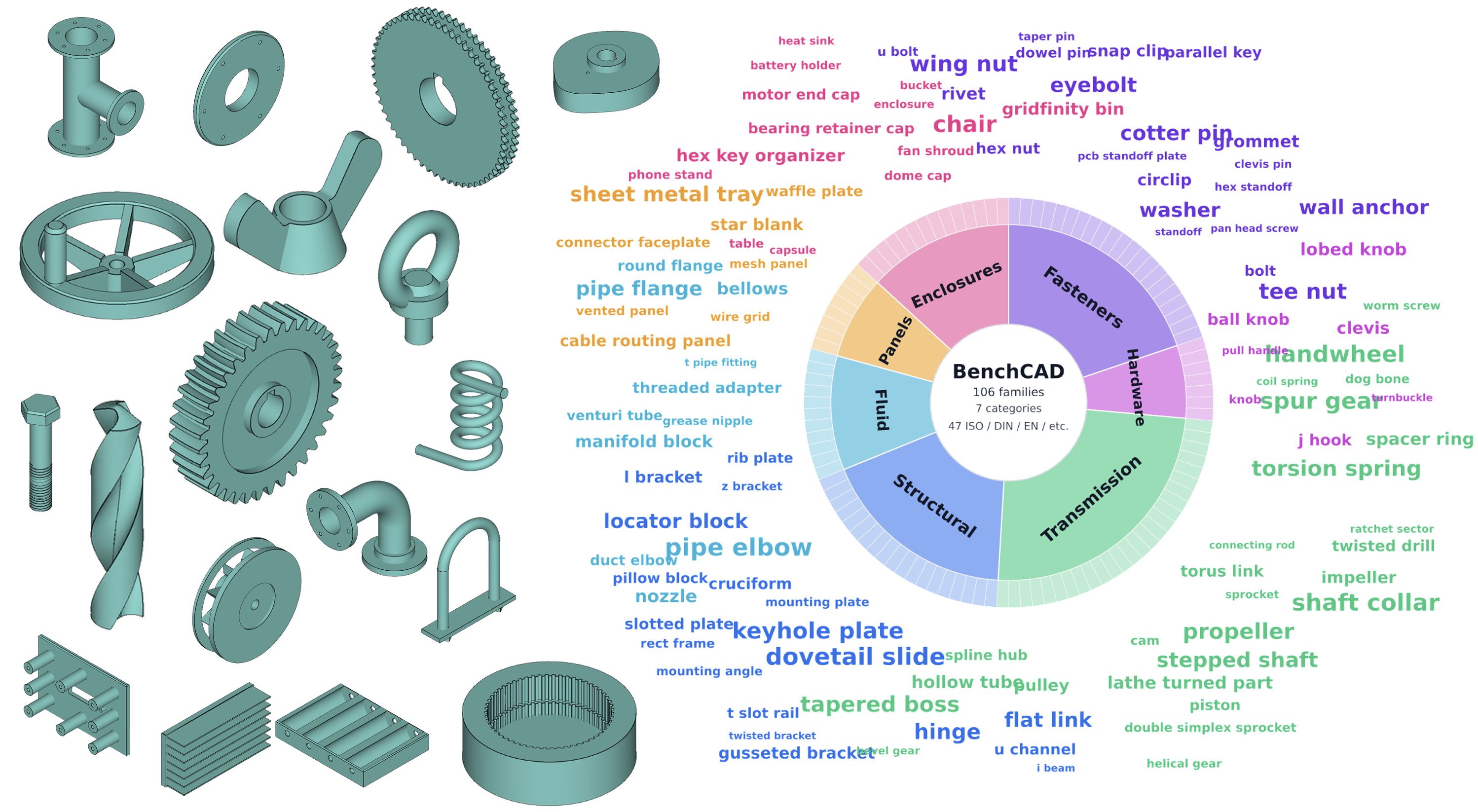
BenchCAD is a benchmark of 17,900 CadQuery programs across 106 industrial part families for evaluating multimodal LLMs on programmatic CAD tasks.
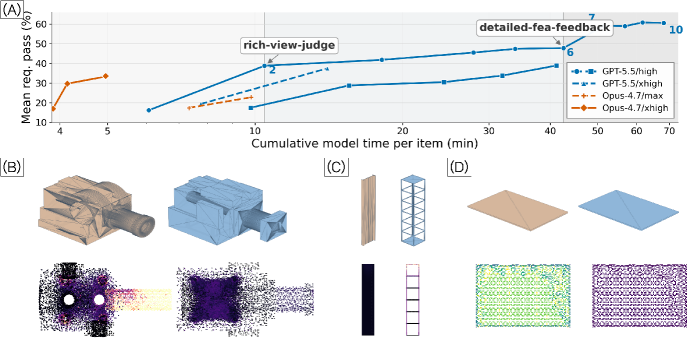
Introduces self-improving CAD agents that use finite element analysis feedback to generate multi-part STEP files from engineering briefs, improving geometric reconstruction.
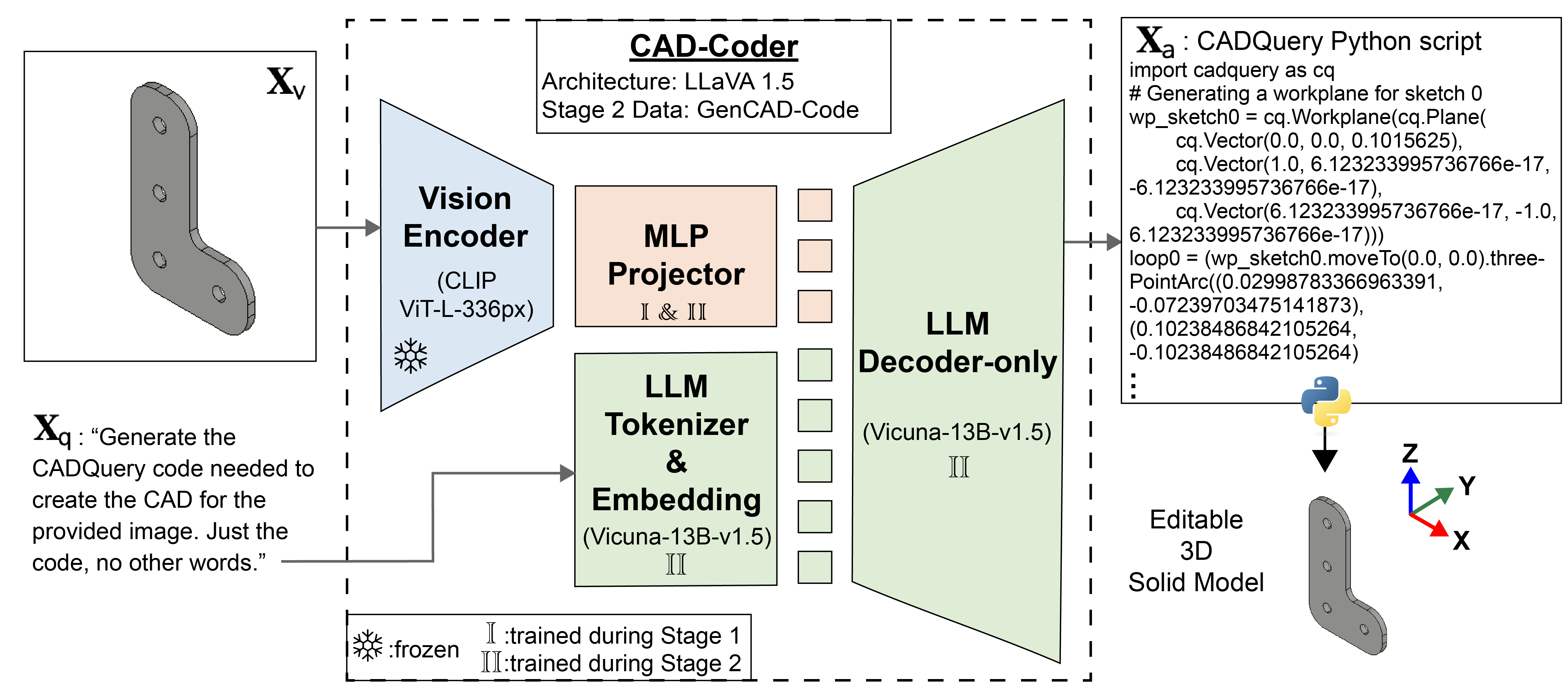
CAD-Coder is an open-source VLM fine-tuned to generate editable CAD code from images, outperforming GPT-4.5 and Qwen2.5-VL-72B.
Zero-to-CAD uses an LLM agent to synthesize millions of executable CAD programs without real data, enabling image-to-CAD reconstruction.
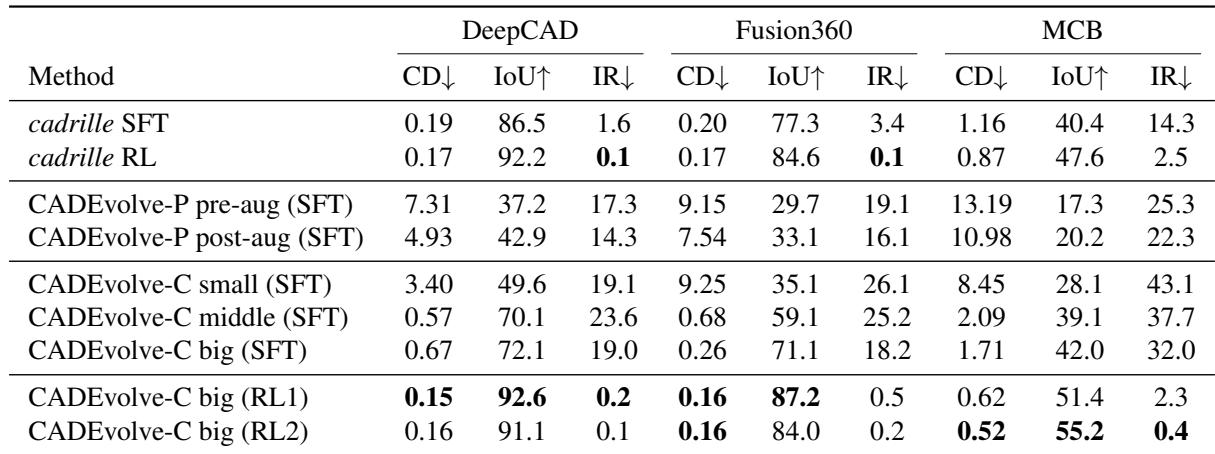
CADEvolve uses VLM-guided evolution to generate complex CAD programs, creating a large dataset and achieving SOTA on Image2CAD.
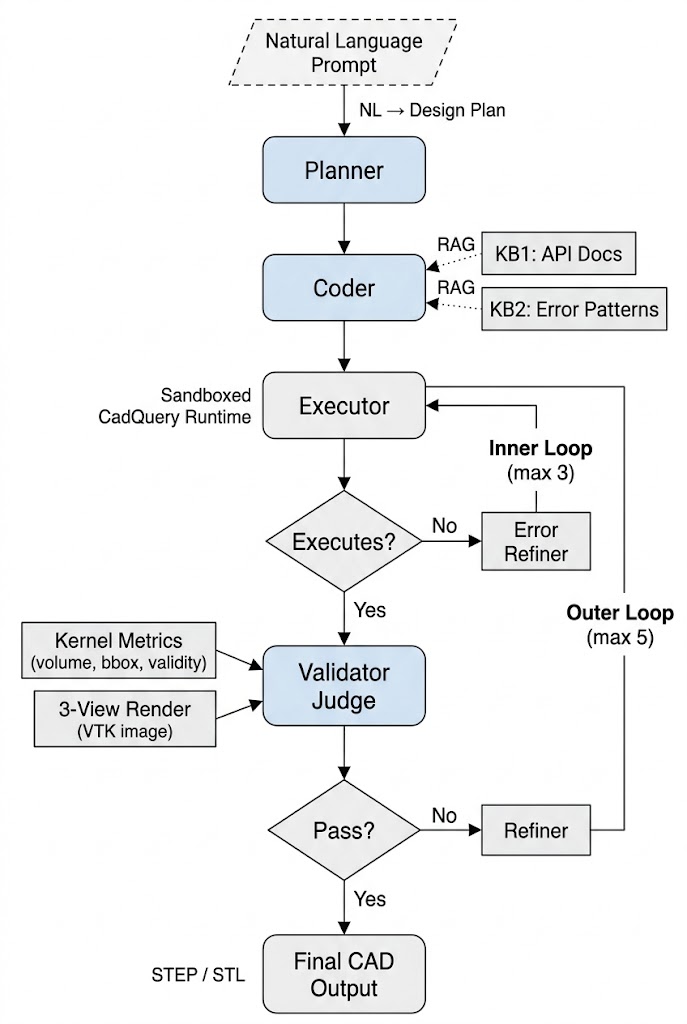
A multi-agent pipeline for text-to-CAD generation using CadQuery code with iterative refinement via programmatic geometric validation from OpenCASCADE.
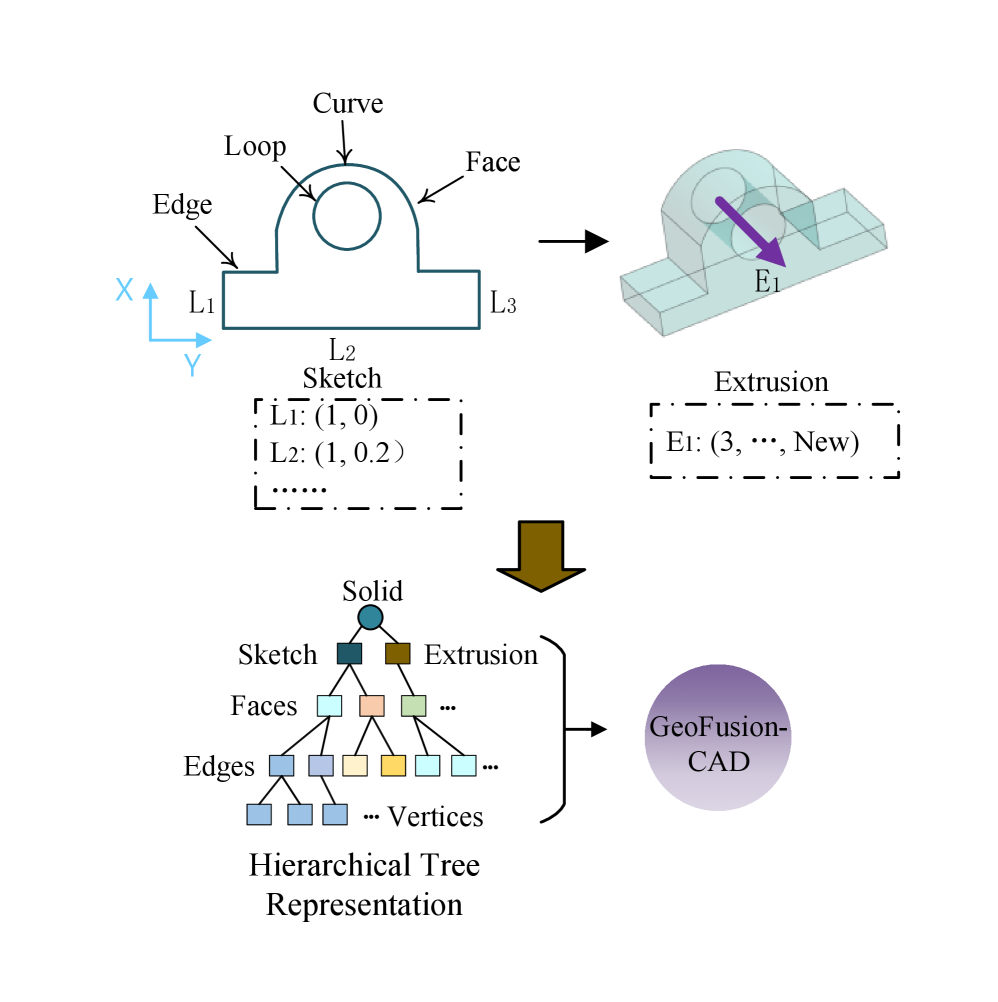
GeoFusion-CAD uses a diffusion framework with state-space modeling for scalable, structure-aware parametric CAD generation, outperforming transformers on long sequences.
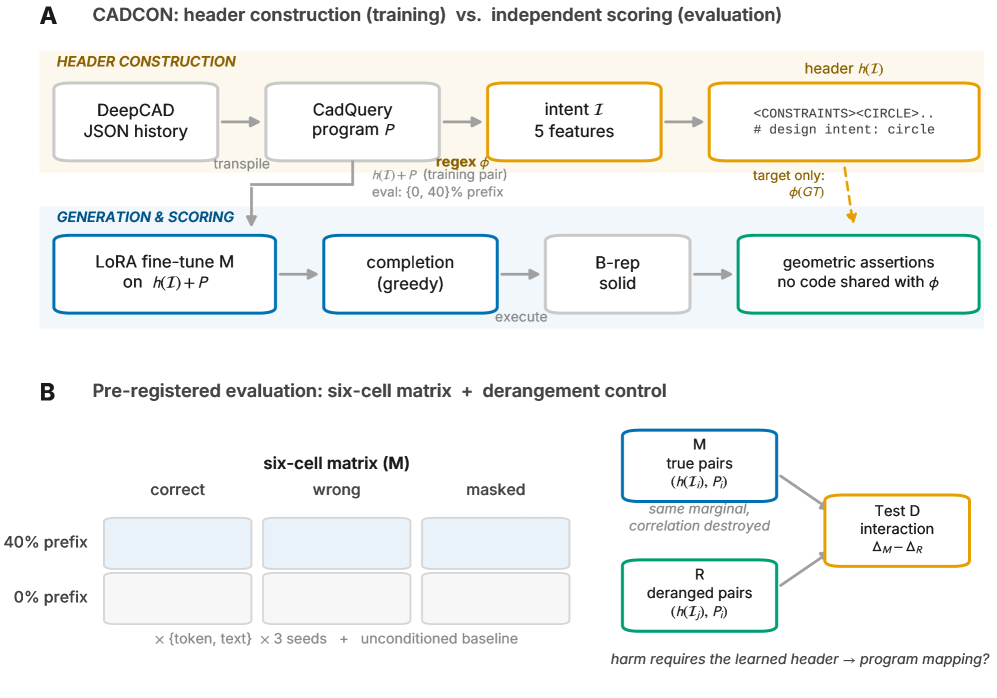
Tests whether LLM reads design-intent header in CAD program generation; wrong headers harm performance, but derangement control shows effect requires learned mapping.
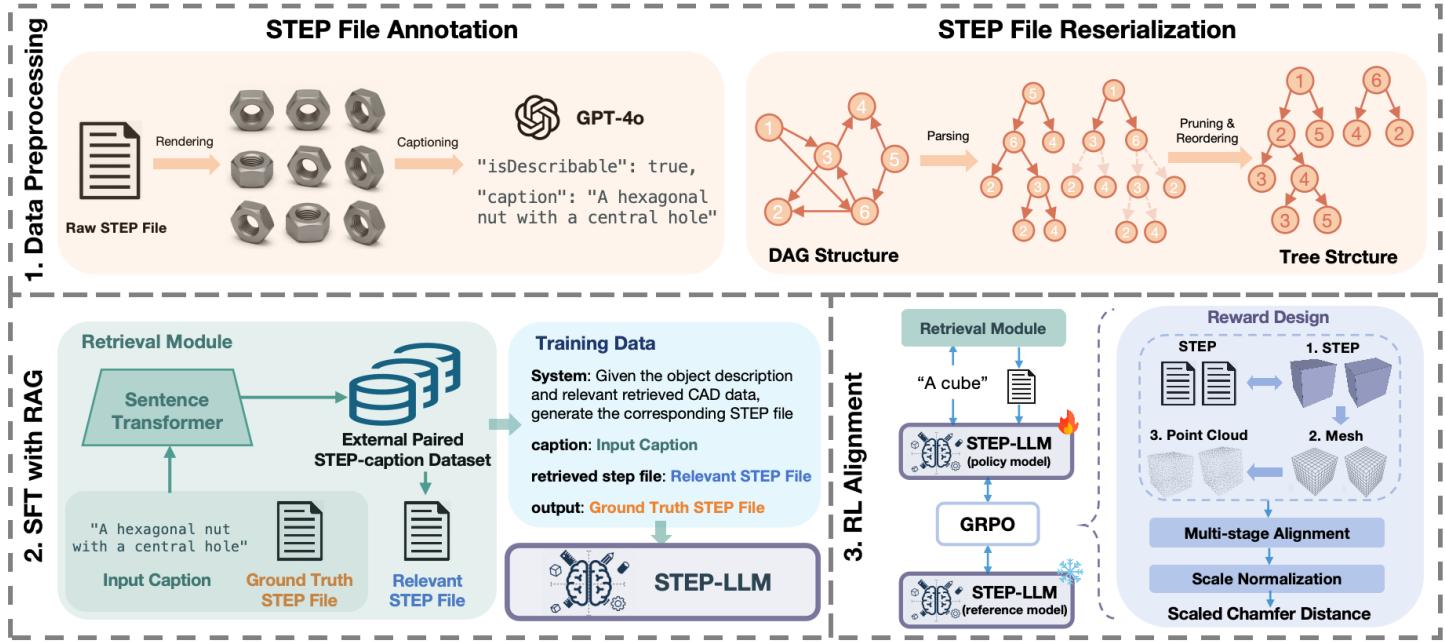
STEP-LLM generates CAD STEP models from natural language using LLMs with RAG and RL, addressing graph-structured B-rep challenges.
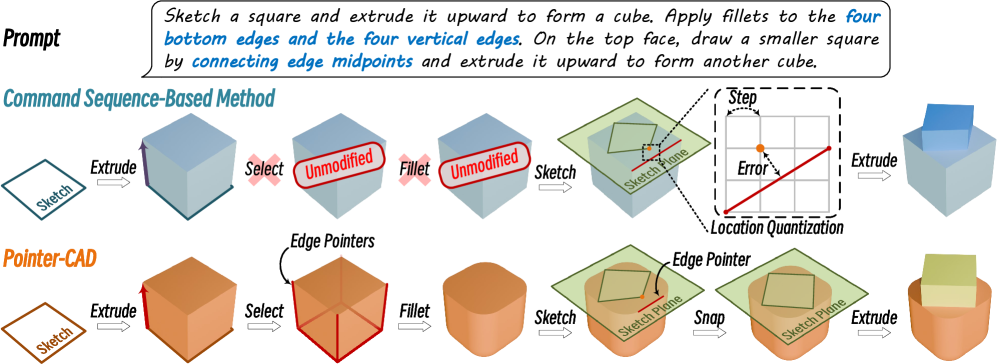
Pointer-CAD uses pointer-based command sequences to unify B-Rep and entity selection for LLM-based CAD generation, reducing errors.
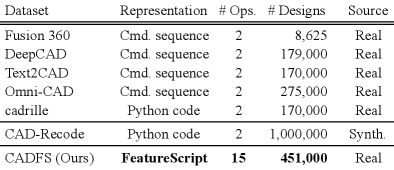
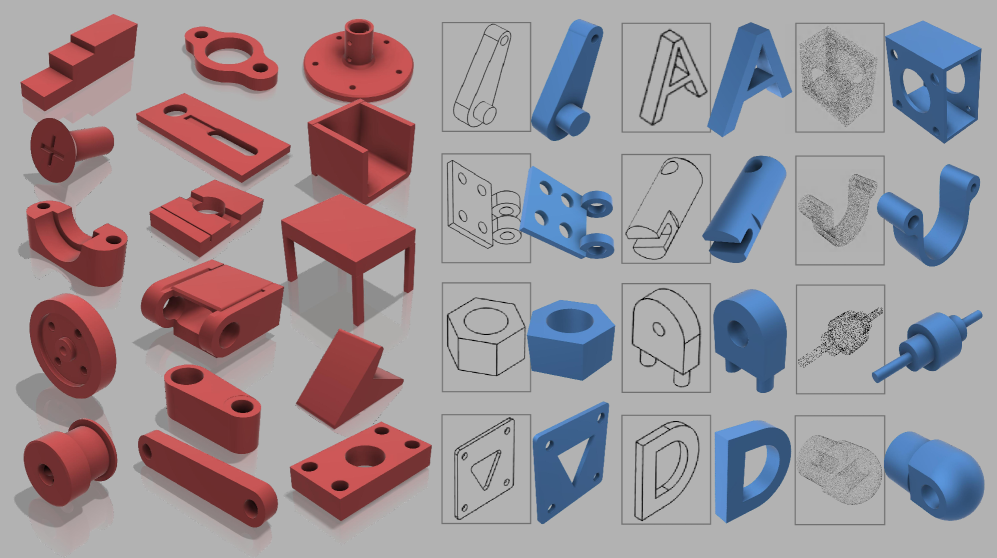
Introduces CADFS, a dataset of 450k real-world CAD models with 15 operations and a FeatureScript-based framework for text-to-CAD and image-to-CAD generation using VLMs.
Img2CADSeq uses a multi-stage pipeline with hierarchical codebook and VQ-Diffusion to generate CAD BRep sequences from single-view images, outperforming SOTA on new datasets.
Proposes CAD-RL, a multimodal Chain-of-Thought reinforcement learning framework for precise CAD code generation from natural language, with a new real-world dataset ExeCAD.
AssemCAD generates production-ready CAD assemblies from natural language using an axiom-grounded framework with ports, mates, and B-Rep validation.
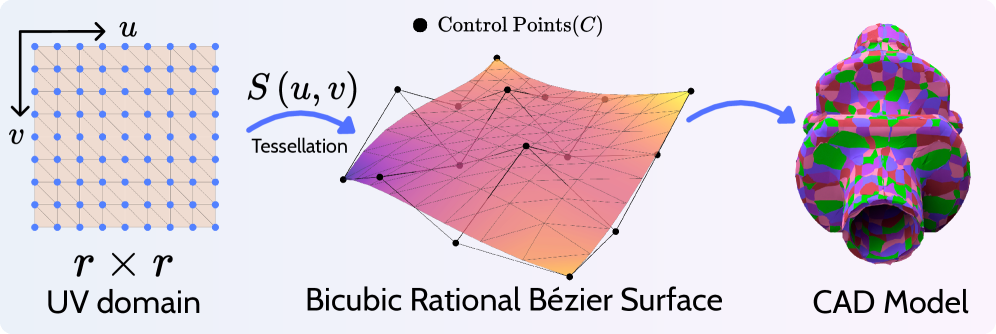
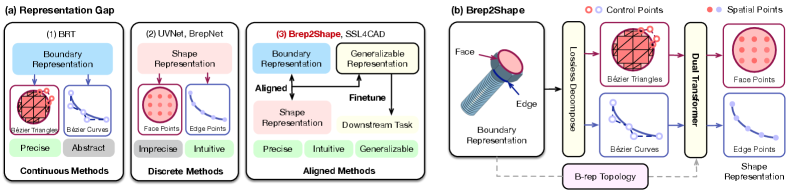
Brep2Shape uses self-supervised Transformers to align B-rep boundaries with shape representations via spatial point prediction from Bézier control points.
TransCAD is a hierarchical transformer that predicts CAD sequences from point clouds, achieving state-of-the-art results on DeepCAD and Fusion360 datasets.
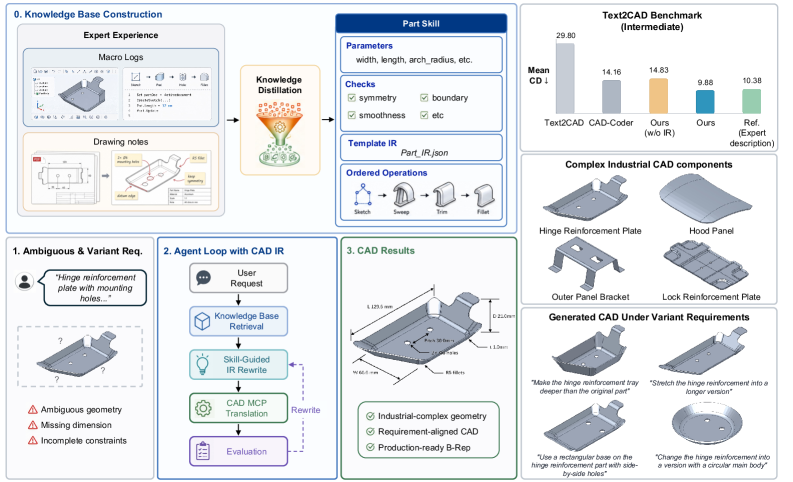
ArtisanCAD is an industrial CAD agent that uses expert knowledge distillation and a procedural CAD-IR representation to generate production-ready B-Rep models from ambiguous text prompts.
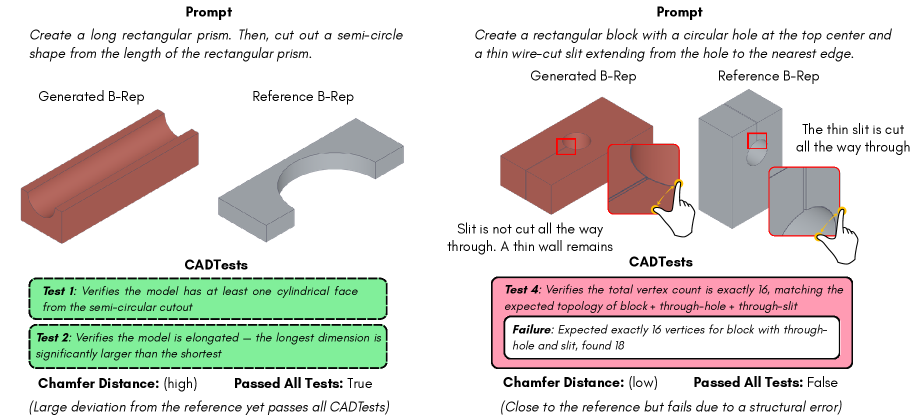
Introduces CADTestBench, a test-based benchmark for evaluating Text-to-CAD models using executable software tests.
Arko-T is a 4B-parameter text-to-design model that generates editable parametric CAD programs from natural language, outperforming frontier LLMs at lower cost.
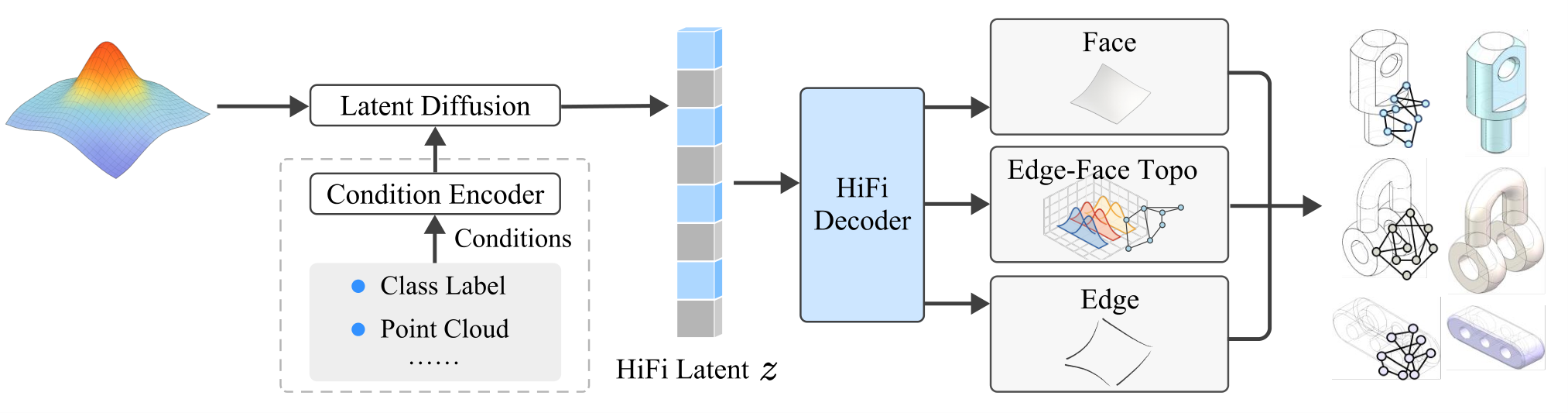
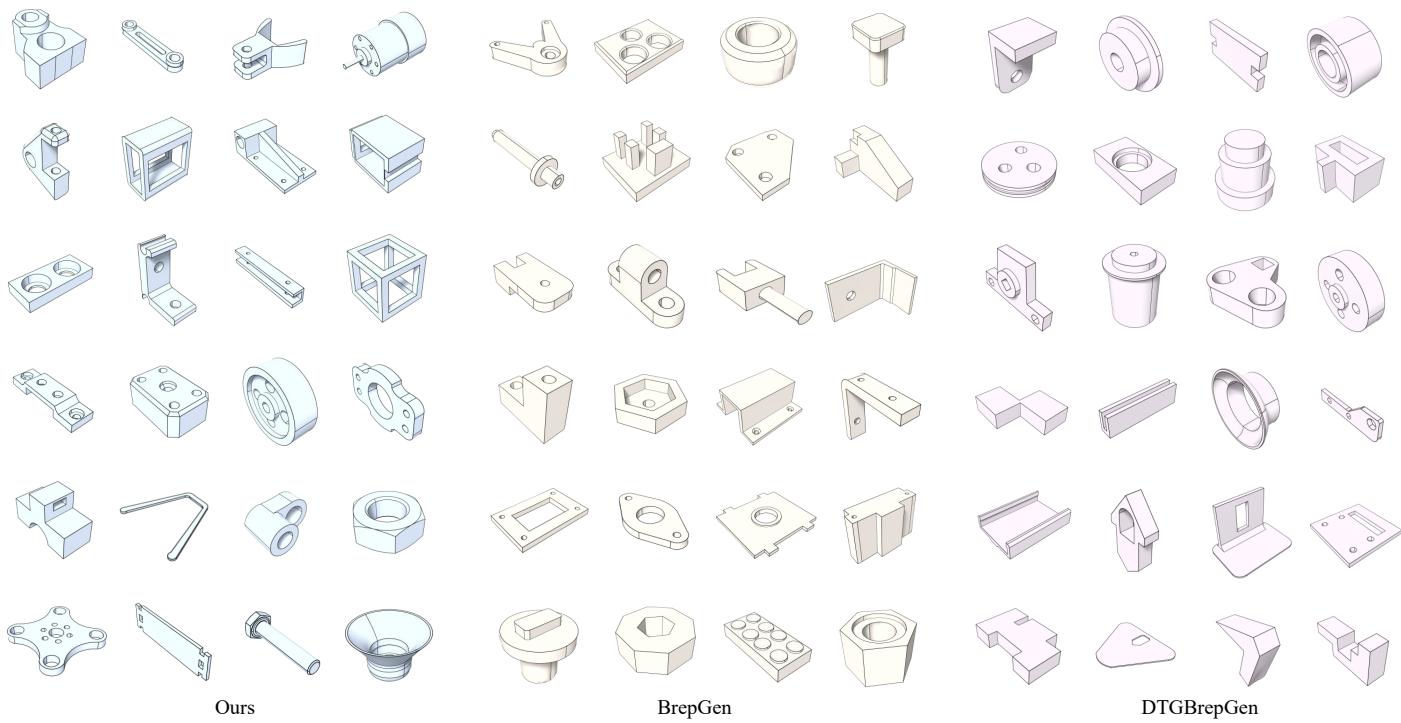
A cascade MAR with topology predictor for multimodal B-Rep CAD generation, plus a large-scale dataset mmABC with 1.3M models.
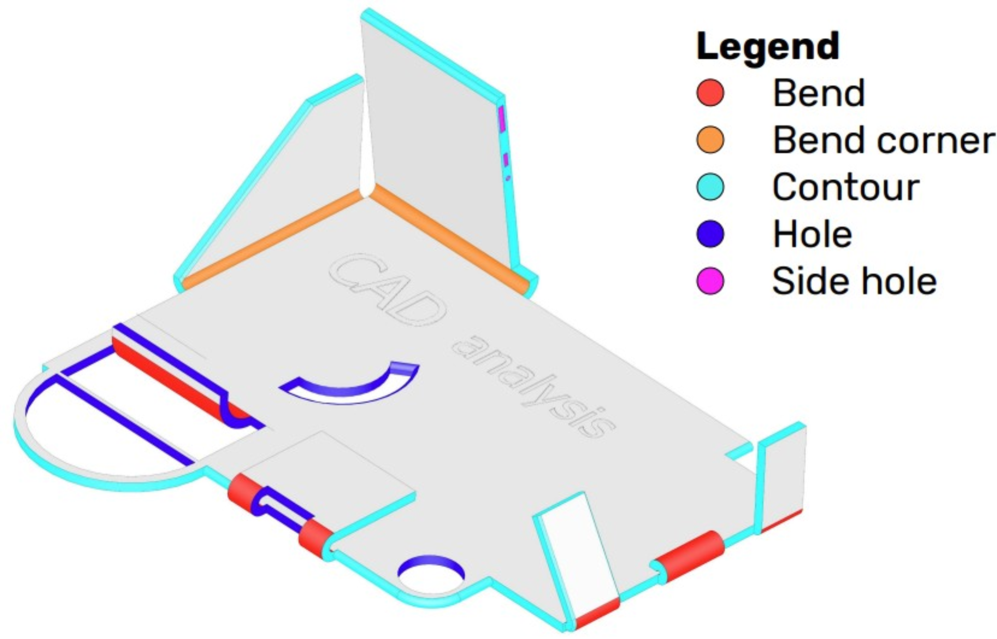
Hybrid approach enriches B-rep graphs with manufacturing features for sheet metal bending effort estimation, validated on synthetic and real industrial data.
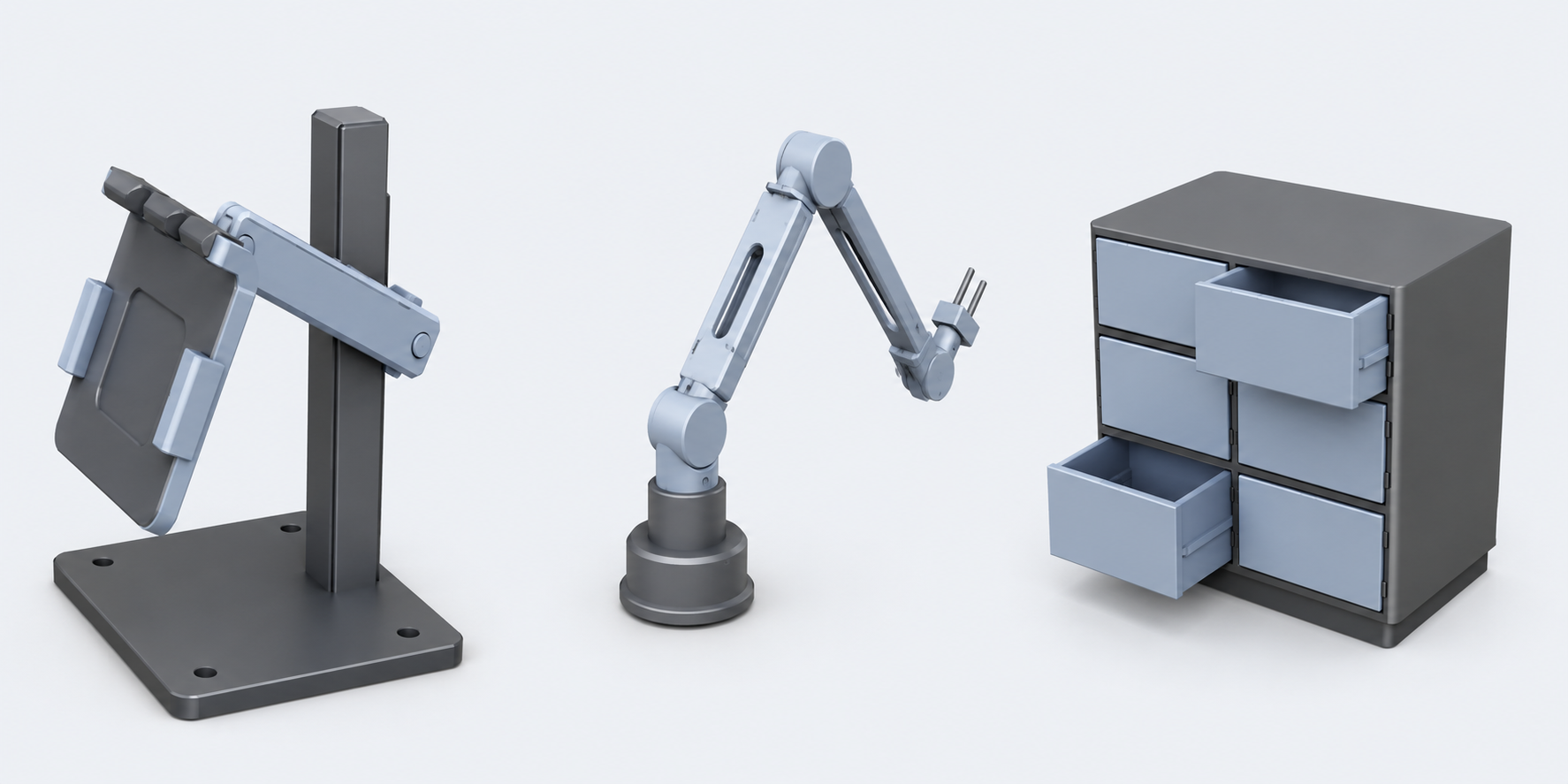
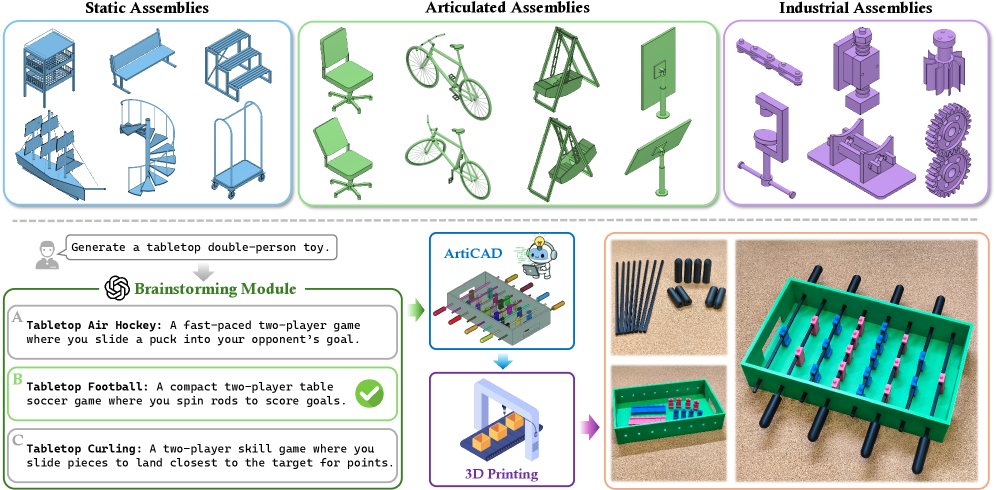
ArtiCAD is a training-free multi-agent system that generates editable, articulated CAD assemblies from text or images using specialized agents and a connector for joint parameters.
IterCAD is a multimodal agent for closed-loop, interactive CAD generation and editing, outperforming existing methods in code executability and geometric precision.
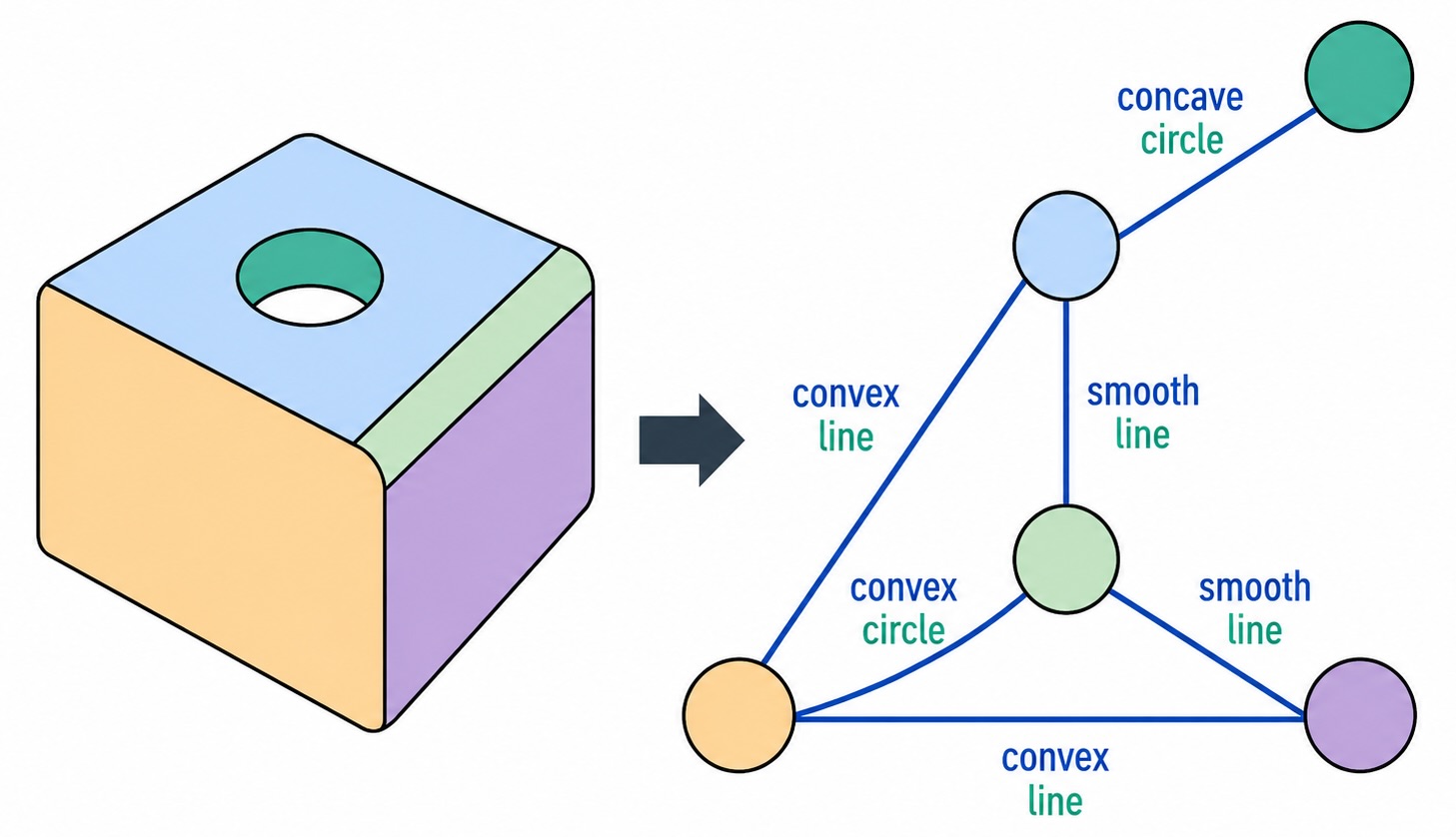
Self-supervised pretraining on parametric CAD using masked topology modeling on B-Rep face-adjacency graphs, combined with contrastive learning, achieves strong benchmark performance.
Proposes a cascaded discrete diffusion model for CAD generation using tailored transition matrices for commands and parameters.
ArtisanCAD is an industrial CAD agent using expert knowledge distillation and CAD-IR to generate production-ready B-Rep models from text.
Empirical study of foundation models for text-to-CAD generation, introducing LLMForge with iterative refinement and visual feedback, evaluated on 97 mechanical part designs.
CADIR is an agent-friendly intermediate representation for CAD generation, enabling cross-backend editable feature histories via construction graphs and geometric signature matching.
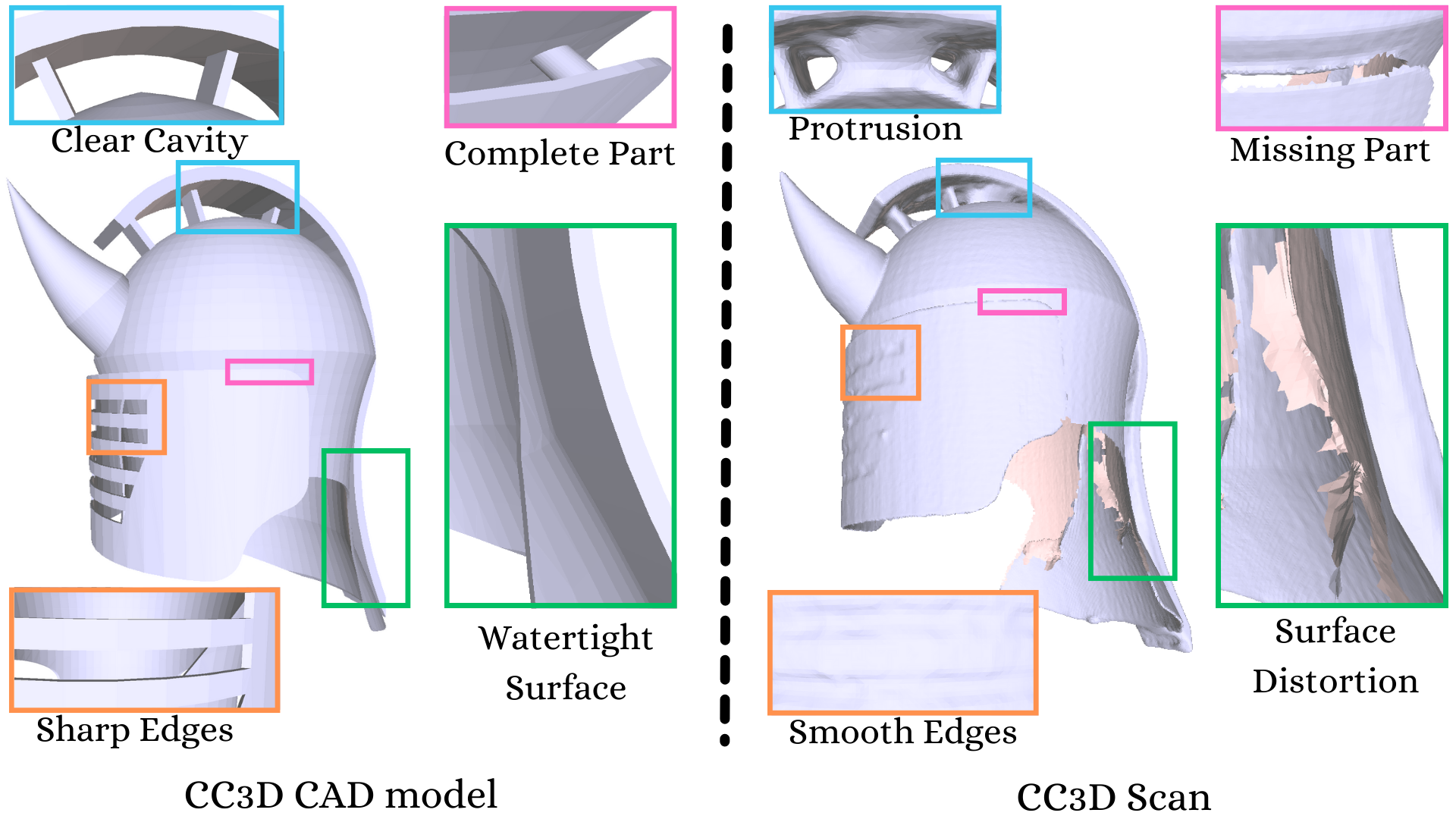
SHARP Challenge 2023 defines tracks, datasets, metrics, and baselines for CAD reverse engineering from point clouds and 3D scans.
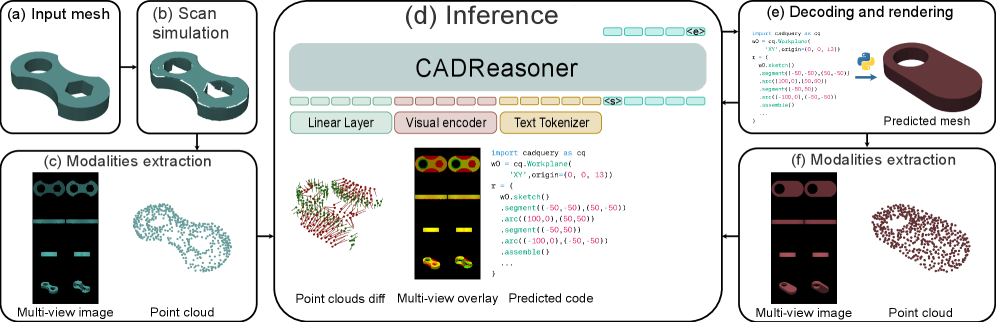
CADReasoner iteratively refines CAD reverse engineering by editing programs based on geometric discrepancy, achieving SOTA on multiple benchmarks.
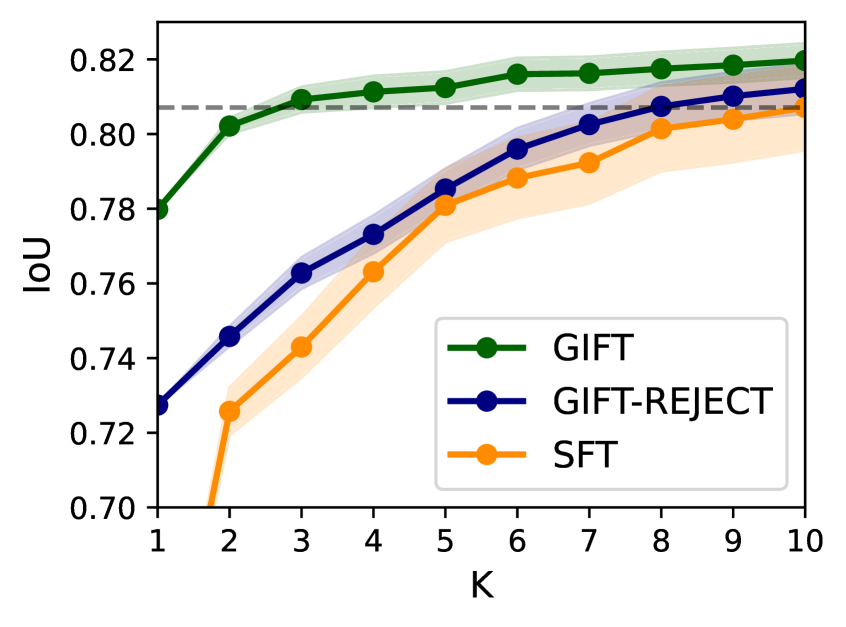
GIFT uses geometric feedback to augment training data for image-to-CAD program synthesis, improving IoU by 12% and reducing inference compute by 80%.
BlenderLLM trains LLMs for CAD script generation via self-improvement, introducing BlendNet dataset and CADBench benchmark.
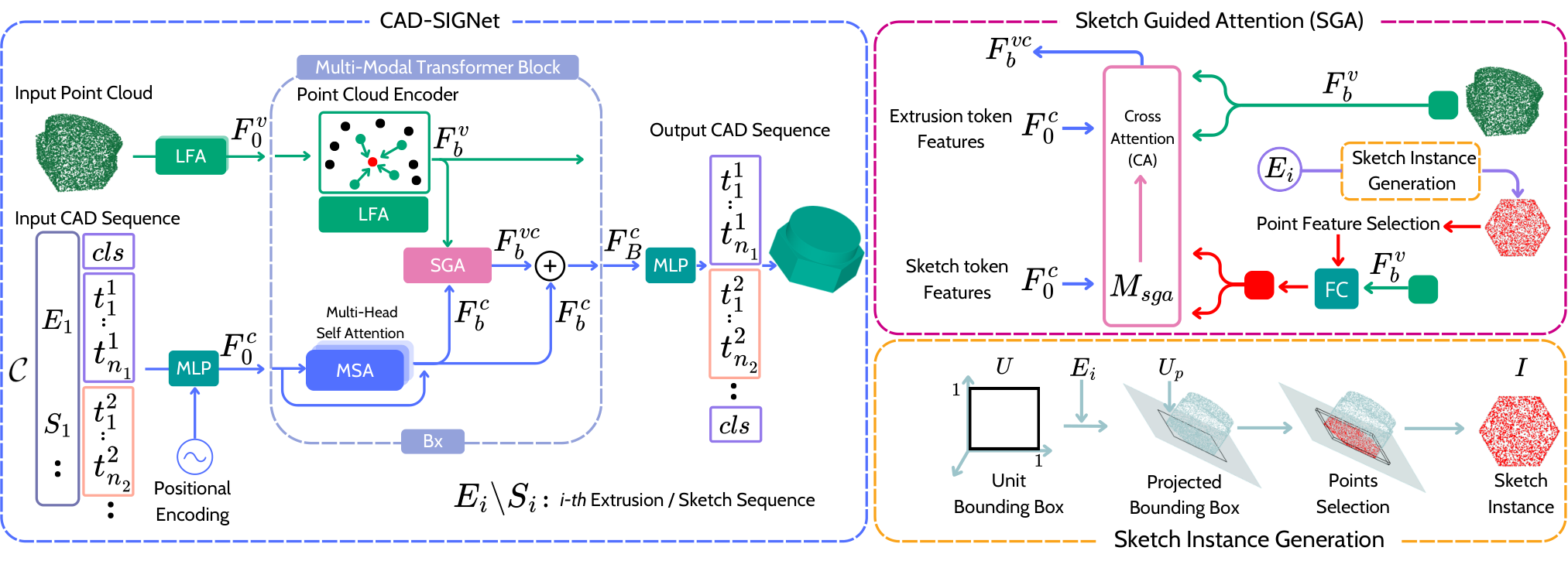
End-to-end auto-regressive model that recovers CAD design history (sketch-and-extrusion) from point clouds using sketch instance guided attention.
STEP-Parts deterministically extracts geometric instance partitions from B-Reps for large-scale CAD processing, providing stable labels for downstream learning.
A novel paradigm reformulates B-Reps into compositional k-cell particles for joint generation of topology and geometry using flow matching.
Query2CAD uses LLMs and self-refinement loops to generate CAD models from natural language without supervised training, achieving 53.6% first-attempt success.
SECAD-Net self-supervisedly reconstructs editable CAD models by learning sketch-extrude operations from raw geometry using implicit fields.